2026-10-26 ·
Gas Line Repair in Georgia: Warning Signs and Safety Steps
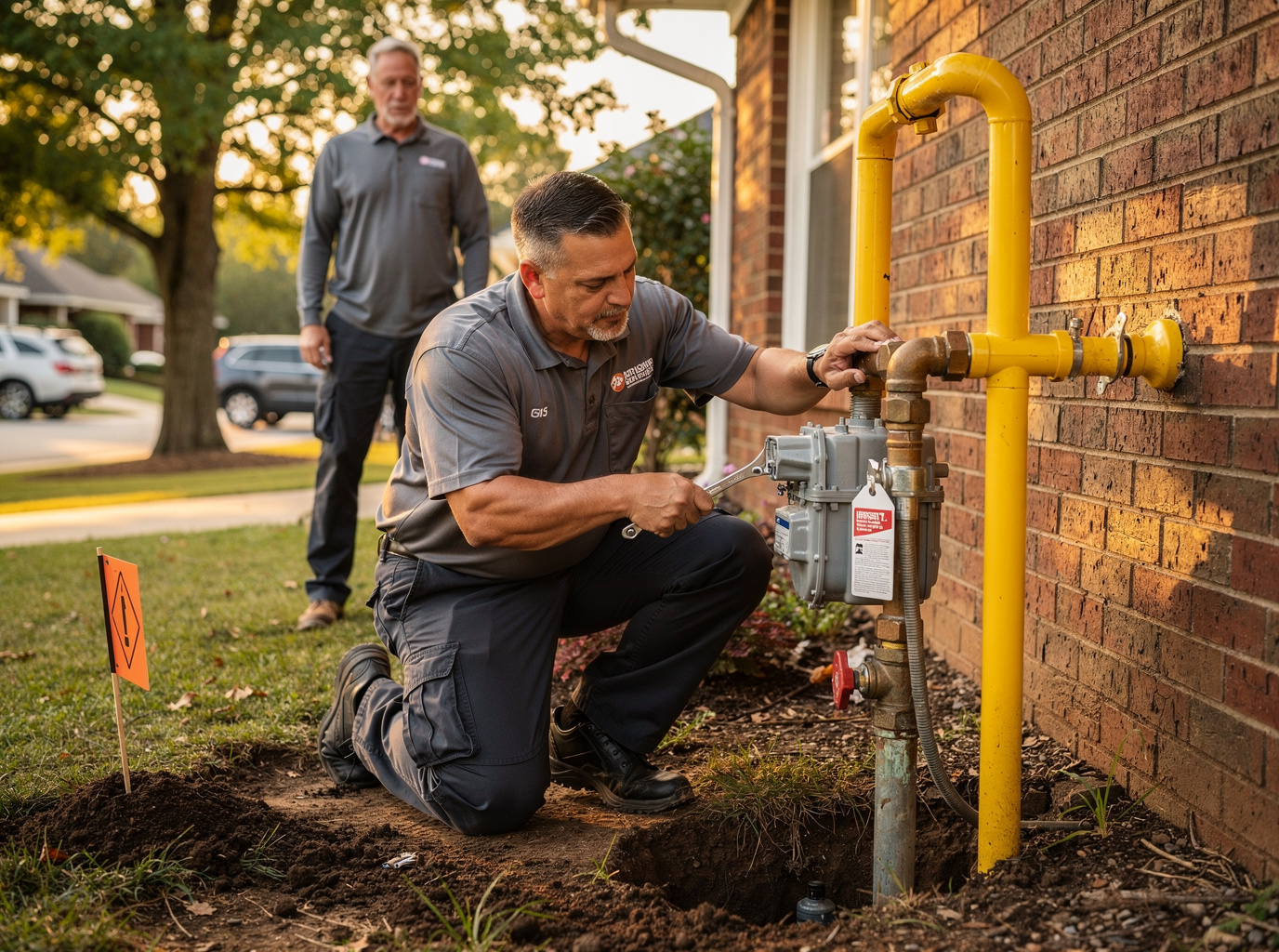
The most common warning signs of gas line problems in Georgia homes include a persistent rotten egg odor, hissing sounds near appliances, and dead vegetation along buried lines in yards. These indicators often appear first in older neighborhoods such as Inman Park or East Atlanta where homes date back decades. Fulton County residents also notice higher than usual utility bills or physical symptoms like headaches when indoors. The plumber can assess these issues during a visit. Prompt action prevents escalation, especially when mild winters give way to humid summers that can accelerate pipe corrosion.
Warning Signs of Gas Line Issues
Homeowners across Fulton County watch for several clear indicators that point to gas line trouble. A sulfur-like smell stands out most because natural gas itself has no odor, yet suppliers add mercaptan for detection. Hissing or whistling near water heaters, stoves, or outdoor connections signals escaping gas under pressure. Dead or discolored grass patches along the Atlanta BeltLine or near Piedmont Park homes often trace to underground leaks affecting soil. In Midtown and Buckhead, older cast iron lines in homes built before 1970 corrode faster under the region's hot summers and occasional heavy rains. Unexplained dizziness or nausea inside the house can accompany small leaks that accumulate. Checking appliances in West End or Old Fourth Ward properties after storms helps catch early problems before they spread.
Immediate Safety Steps for Homeowners
When signs appear, first open windows and doors to ventilate the space without creating sparks from switches or phones. Avoid using any electrical devices or open flames until the area clears. Shut off the main gas valve at the meter if accessible and safe to reach, then leave the property. Call a plumber for plumbing repair rather than attempting fixes yourself. In Decatur or Sandy Springs, residents sometimes notice issues during humid periods when moisture speeds joint wear. Evacuate neighbors if the odor is strong outdoors. Do not re-enter until professionals confirm the line is secure. These steps limit exposure while waiting for assessment in Virginia-Highland or Grant Park homes.
When Professional Assessment Becomes Necessary
Persistent odors or sounds require evaluation from the plumber, especially in high-density areas like Centennial Olympic Park surroundings. Technicians inspect accessible lines and may recommend further checks on buried sections common in Inman Park properties. Linking to related guidance, review What to Do in a Plumbing Emergency in Georgia Before Help Arrives for broader context on urgent calls. Climate factors in Georgia's humid subtropical zone increase condensation risks on metal pipes during mild winters. For emergency plumber needs after hours, the 24-hour availability matches the round-the-clock demands of Fulton County households. Avoid delaying when multiple signs combine, as small leaks can grow with summer heat expansion.
Frequently Asked Questions
What causes gas line leaks most often in Georgia homes? Corrosion in older pipes and shifting soil from heavy rains top the list in neighborhoods like Buckhead. How long does a typical repair take? Most jobs finish in four to eight hours once the plumber arrives and isolates the section. Can I smell gas only inside or outside? Both locations matter, though outdoor odors near the Atlanta BeltLine often trace to buried lines. When should I also check water lines? After any gas work, review Sewer Camera Inspection in Georgia: When It Pays Before You Buy a Home for connected system advice.