2026-10-26 ·
Low Water Pressure in Georgia: Common Causes and Fixes
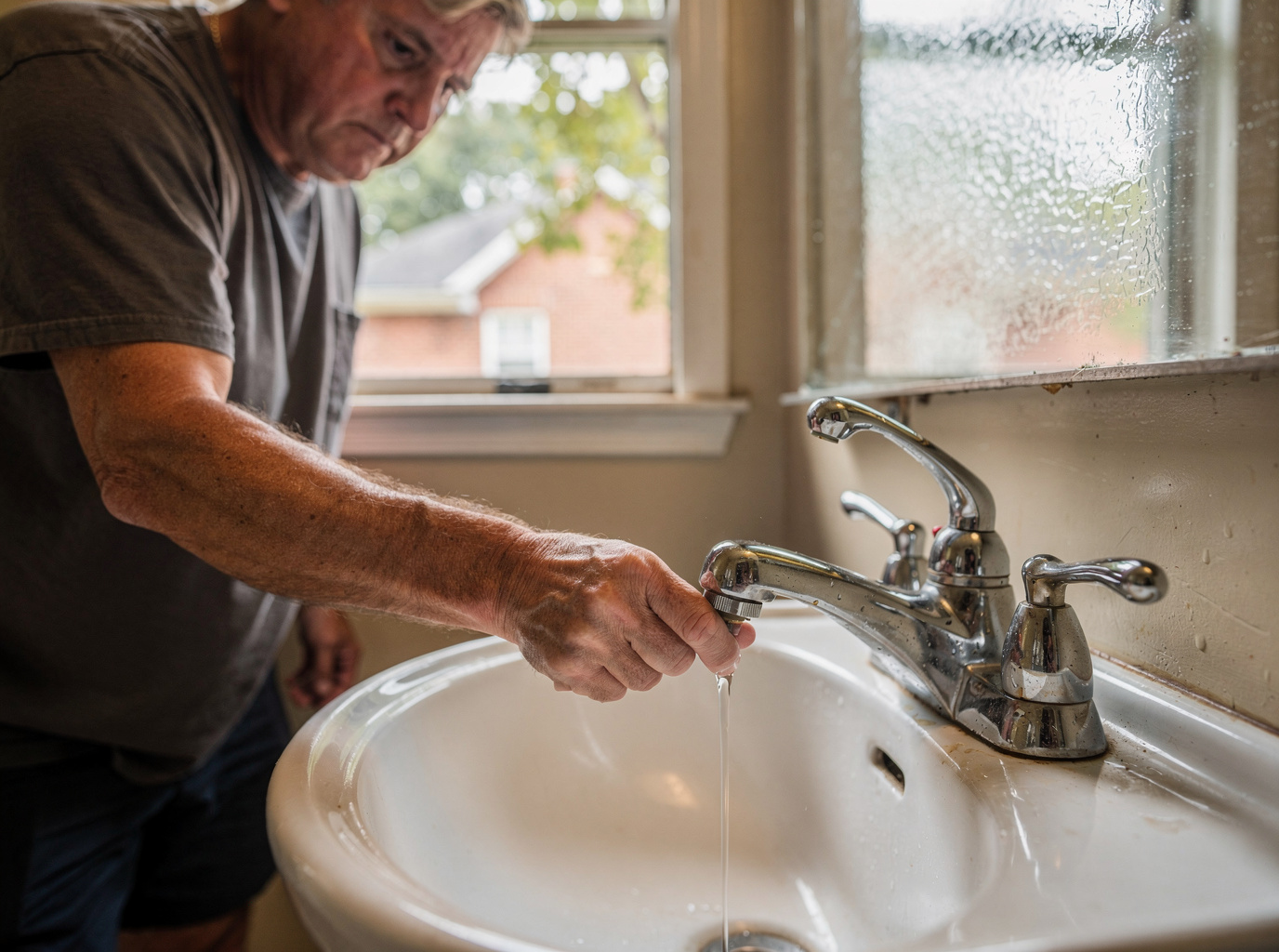
Low water pressure in Georgia homes most often results from buildup in pipes or fixtures rather than a single dramatic failure. In Fulton County neighborhoods such as Midtown, Buckhead and Virginia-Highland, older homes from the early 1900s frequently show reduced flow after decades of mineral deposits from the local water supply. Checking the main shutoff valve and aerators first reveals whether the drop is isolated or affects the whole house.
Common Causes in Older Fulton County Homes
Homes built before 1970 in Inman Park, Grant Park and Old Fourth Ward often have galvanized steel pipes that narrow over time from rust and scale. Hot summers in the humid subtropical climate increase water use, which can highlight weak pressure when multiple fixtures run at once. Sediment from municipal lines settles in water heaters, especially in areas near Piedmont Park where supply lines run through older infrastructure. Partially closed main valves after street work in East Atlanta or West End also cut flow without obvious leaks. These conditions appear more in homes near the Atlanta BeltLine where renovations sometimes disturb service lines.
Step-by-Step Checks Before Repairs
Start at the faucet aerators in the kitchen and baths; unscrew and rinse out debris that collects from city water. Next test pressure at an outdoor hose bib with a simple gauge to compare readings inside and out. If pressure stays low at every outlet, inspect the main shutoff near the water meter for full opening. Water heater sediment shows when hot water pressure drops more than cold; flushing the tank can restore flow without new parts. These checks take under an hour and help the plumber pinpoint the next step.
Typical Repair Costs and Options
Minor aerator or valve work usually falls in the $75–$200 range. Replacing sections of corroded pipe in a crawl space or basement runs $400–$1,200 depending on access and length. Water heater flushing or anode rod service costs $150–$350 when sediment is the culprit. Full repiping in a 1,500-square-foot home in Decatur or Sandy Springs can reach $3,000–$6,000 because of wall and floor removal. Prices move with pipe material, home age and whether the issue sits inside the foundation or in the yard.
When Professional Help Makes Sense
Persistent low pressure after basic checks points to deeper problems such as main line corrosion or municipal supply changes. The plumber can run a camera inspection or pressure test across multiple fixtures to map the restriction. In humid summers, condensation on cold pipes can mask small leaks that slowly reduce flow. Linking the issue to a plumbing repair or water heater repair visit often prevents bigger failures during peak use. Homeowners near Centennial Olympic Park or Mercedes-Benz Stadium sometimes notice pressure drops tied to city maintenance schedules.
Preventing Future Drops in Pressure
Annual flushing of water heaters removes scale before it packs the tank bottom. Replacing old galvanized sections with copper or PEX during kitchen updates keeps flow steady in Buckhead and Virginia-Highland homes. Installing a whole-house sediment filter catches particles before they reach fixtures. Checking the pressure regulator every few years avoids damage from spikes common after summer storms. These steps reduce calls for emergency visits documented in related guides on plumbing emergencies and main line clogs.