2026-10-26 ·
Sump Pump Basics for Georgia Homeowners
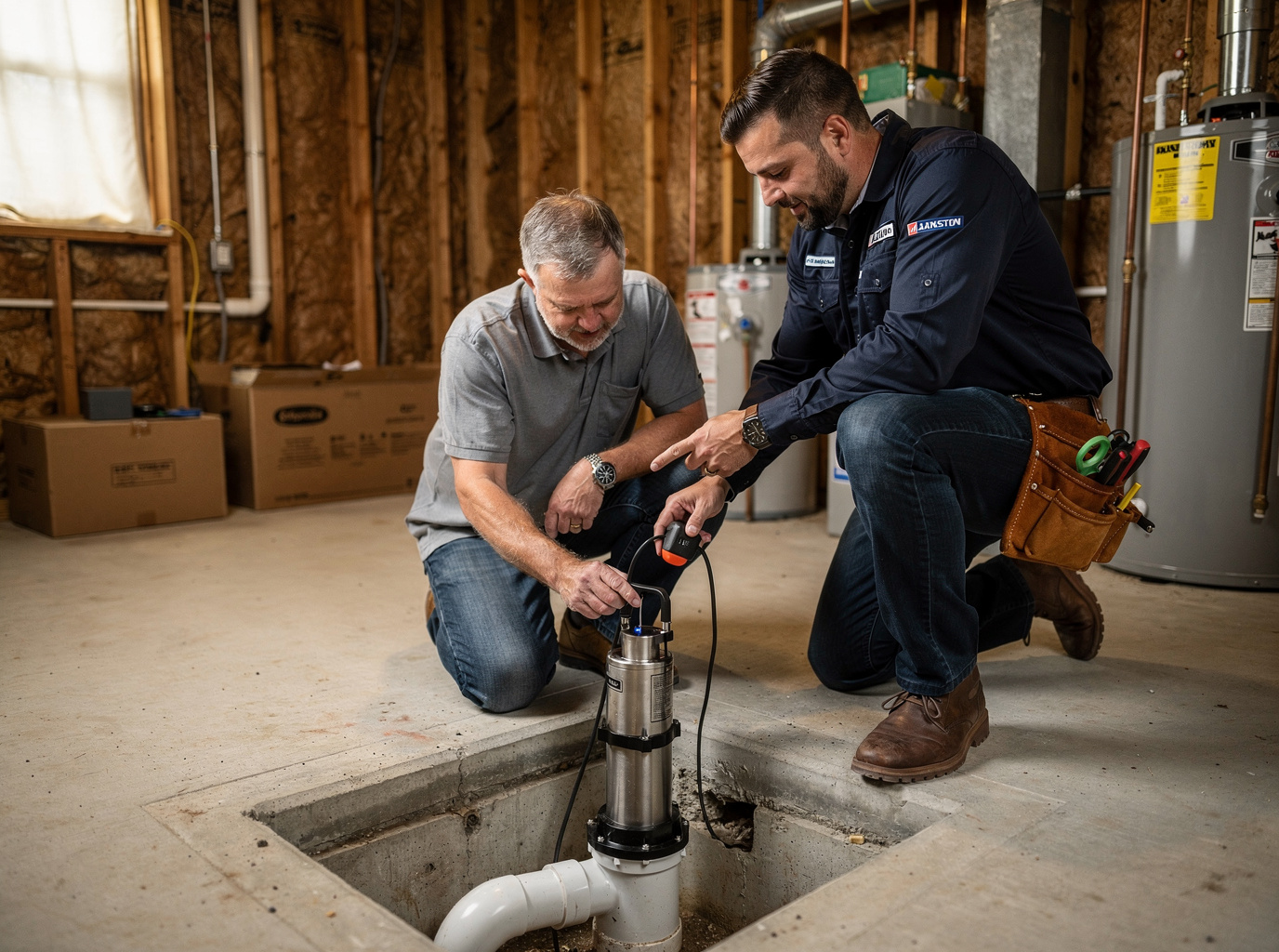
Sump pumps protect Georgia homes by collecting and discharging groundwater before it reaches living spaces, especially during the heavy downpours that hit Fulton County each summer.
What Is a Sump Pump and How Does It Work
A sump pump sits in a basin below the basement floor and activates when water rises to a set level. The float switch turns on the motor, which pushes water through a discharge pipe to a safe outlet outside. In neighborhoods such as Virginia-Highland and Inman Park, older homes often sit on clay soils that hold moisture, making these units a standard feature. The pump cycles on and off automatically, and many models include a battery backup for power outages that can occur during storms. Homeowners should check the outlet pipe ends at least 10 feet from the foundation to avoid re-circulating water.
Why Sump Pumps Matter in Georgia's Climate
Fulton County experiences a humid subtropical pattern with hot summers that bring frequent thunderstorms and mild winters that still produce steady rain. Without a working pump, water can seep through foundation walls in homes built decades ago in Grant Park or Old Fourth Ward. The system keeps basements dry and prevents mold growth that thrives in the region's humidity. In East Atlanta and West End, where some properties sit near the Atlanta BeltLine trails, grading issues can direct more runoff toward foundations, increasing reliance on these pumps during peak rainfall months.
Common Issues Homeowners Encounter
Float switches can stick from debris, causing the pump to run continuously or fail to start. Motors overheat when the impeller becomes clogged with sediment common in local soils. In Buckhead and Midtown, older electrical panels sometimes struggle with the added load during extended wet periods. Discharge lines can freeze in rare cold snaps or crack from shifting soil. These problems often appear after several years of use, and regular checks help catch them before a storm arrives.
Maintenance Steps That Extend Service Life
Test the pump monthly by pouring water into the basin until the float rises and the unit activates. Clear the inlet screen of leaves and silt, and verify the check valve on the discharge pipe prevents backflow. Replace the unit every 8–12 years as a preventive measure, since motors wear from frequent summer cycles. Homeowners near Piedmont Park or Centennial Olympic Park should also watch for vibration that signals mounting issues. When problems persist, call a plumber for plumbing repair to inspect wiring and connections.
Signs It Is Time for Professional Help
Continuous running, unusual noises, or water still pooling after the pump cycles point to deeper faults. In Decatur and Sandy Springs, sudden heavy rain can expose weak points in aging systems. If the pump fails during a storm, move valuables and shut off power to the area until help arrives. The plumber can diagnose whether repair or replacement fits the situation. For urgent cases, emergency plumber service covers after-hours calls. Readers facing related drainage concerns may also find value in what to do in a plumbing emergency in Georgia before help arrives.
FAQ
How often should a sump pump be tested?
Run a manual test once a month by adding water to the basin. This confirms the float switch and motor still operate correctly before the next heavy rain.
What size pump do most Georgia homes need?
A 1/3 to 1/2 horsepower unit handles typical residential volumes in Fulton County. Larger homes or those with high water tables may require a 3/4 horsepower model.
Can a sump pump connect to the sewer line?
Local codes require discharge to a storm drain or daylight outlet, not the sanitary sewer. Improper connections can lead to backups during heavy rain.
How much does a basic replacement cost?
Expect a range of $400–$1,200 for a standard replacement including labor, depending on access and whether a battery backup is added.